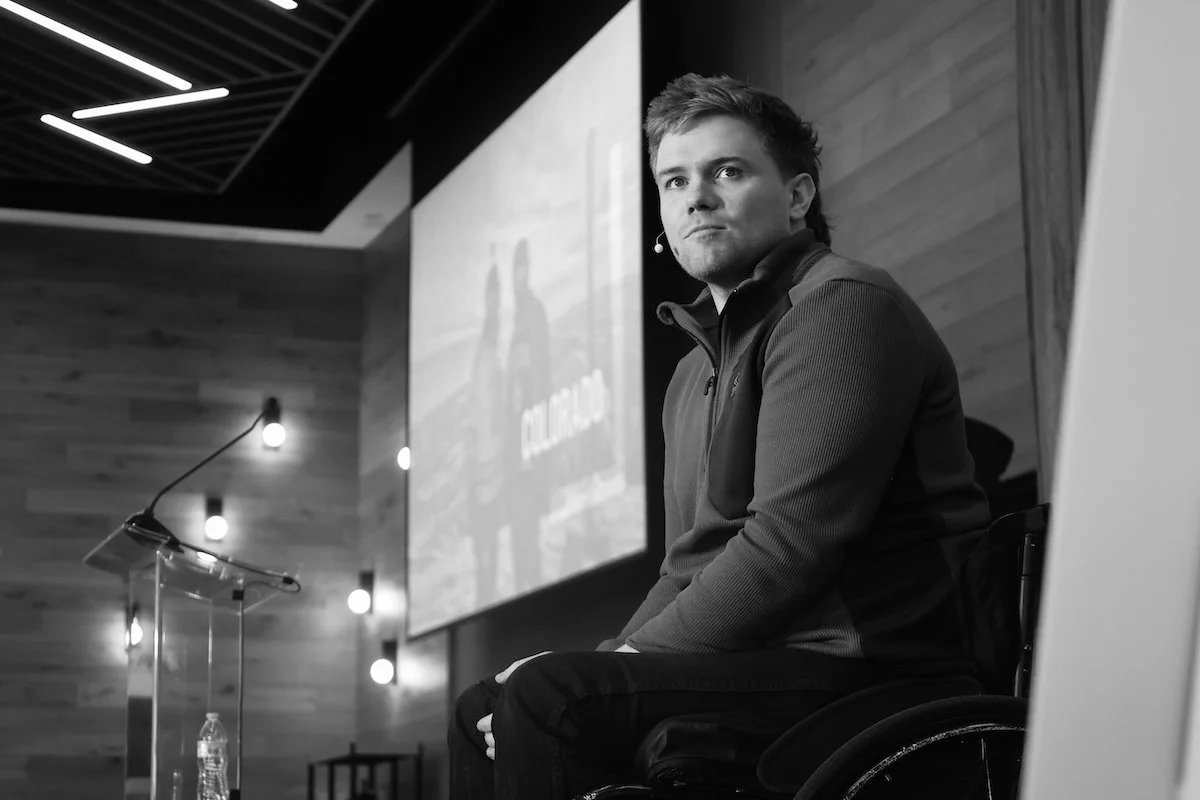
About Hunter Pinke
Hunter Pinke is an Elite Mental Performance and Leadership Coach who helps athletes sharpen their competitive edge, elevate confidence, and grow into the leaders teammates naturally want to follow.
Hunter specializes in collegiate athletes who want to perform with greater clarity under pressure, lead with authenticity, and positively influence team culture. His coaching blends mental performance training, leadership development, and team-culture work to help:
Lead with confidence and credibility
Stay mentally ready in high-pressure moments
Build stronger, connected relationships with teammates
Influence team culture in real, lasting ways
Compete with consistency, purpose, and intention
Hunter is also an entrepreneur with ownership and management in multiple companies. He brings the real-world leadership experience of building teams, making high-stakes decisions, and navigating pressure beyond sport—insight that strengthens those who want to lead at the highest level.
A former three-time collegiate team captain, Hunter understands the demands of high-level competition, the weight of leadership, and the mental challenges athletes face both on and off the field. After experiencing a spinal cord injury during his playing career, Hunter developed a deeper understanding of resilience, mindset, identity, and leadership—lessons he brings into his work.
Hunter’s approach is encouraging, practical, and athlete-centered. He meets athletes where they are and helps them access the higher version of themselves—the one they envision—so they can lead boldly, compete freely, and perform to their full potential.
Frequently Asked Questions About No Bad Days, Leadership Coaching & More
-
It is the core philosophy Hunter uses in his speaking, coaching, and life philosophy. It’s a framework for how people respond to adversity, emphasizing that tough days are inevitable but “bad days” are a decision about direction, ownership, and perspective.
-
Hunter Pinke offers coaching services for both groups and individuals. While his individual coaching is specifically tailored to athletes, his group coaching can also apply to corporate teams as well as athletic organizations.
-
Hunter’s team coaching is built around the “No Bad Days” framework, which focuses on ownership, gratitude, resilient culture, and servant-based leadership in high-pressure environments. The program typically starts with the group receiving his No Bad Days keynote, then transitioning to a longer-term partnership in which they collaborate with Hunter to fully embody their new team culture.
-
Hunter works with collegiate athletic programs, corporate teams, and other high-performing organizations that want stronger leadership alignment and positive, collaborative culture that stands up under pressure.
-
Organizations that partner with Hunter can expect outcomes such as stronger ownership, deeper trust, more consistent accountability, clearer leadership standards, improved connection, and more resilient responses in pressure moments.
-
In addition to athletes and individual contributors themselves, Hunter also works with coaches, executives, management teams, captains, emerging leaders, and multi-team organizations.
-
Hunter is not a motivational speaker. While his keynotes may be a catalyst for his coaching, the real goal is durable culture change through repetition, reinforcement, and leadership development. His goal is for the impacts of his work to impact at a much deeper level that last long after he’s left the stage.
-
Yes. Hunter has worked with multiple D1 athletics teams, including the football teams at University of Alabama and University of Arizona.
-
Hunter has crafted his individual coaching for high-achieving collegiate athletes who want stronger mental performance, more consistent access to their best, and better leadership impact within their team. It is positioned for athletes who are already serious, already working hard, and are looking for growth, leadership development, and sharper execution under pressure.
-
Yes. Hunter’s emphasis on cohorts, small-group work, 1:1 coaching, and repetition all help ensure the work transfers into real competitive moments rather than staying theoretical. The program’s results only matter if its participants use it in real life, so the goal is always applying it in the moments that matter.
Frequently Asked Questions About Hunter
-
Hunter grew up in Wishek, North Dakota. When he isn’t on the road for work, he currently splits his time between his home in Minnesota lake country, Wishek, and Arizona where he put down some roots during graduate school.
-
In December 2019, Hunter was injured while skiing in Keystone, Colorado, after a collision with another skier propelled him into a tree. The outcome was a complete spinal cord injury, leaving him paralyzed from the chest down. Hunter completed rehabilitation at Craig Hospital in Colorado.
-
Hunter participated in basketball, 9-man football, track and field, and American Legion baseball in high school, alongside many academic and extracurricular activities.
-
He played tight end at the University of North Dakota. Following his accident, he remained involved in the UND football program and even served as a team captain for the 2020-2021 season.
-
He earned a bachelor’s degree in Mechanical Engineering from the University of North Dakota and later a graduate degree in real estate development from the University of Arizona in spring 2024.
-
Yes. Hunter competed on the University of Arizona wheelchair basketball team and served as captain for two seasons while completing graduate school.